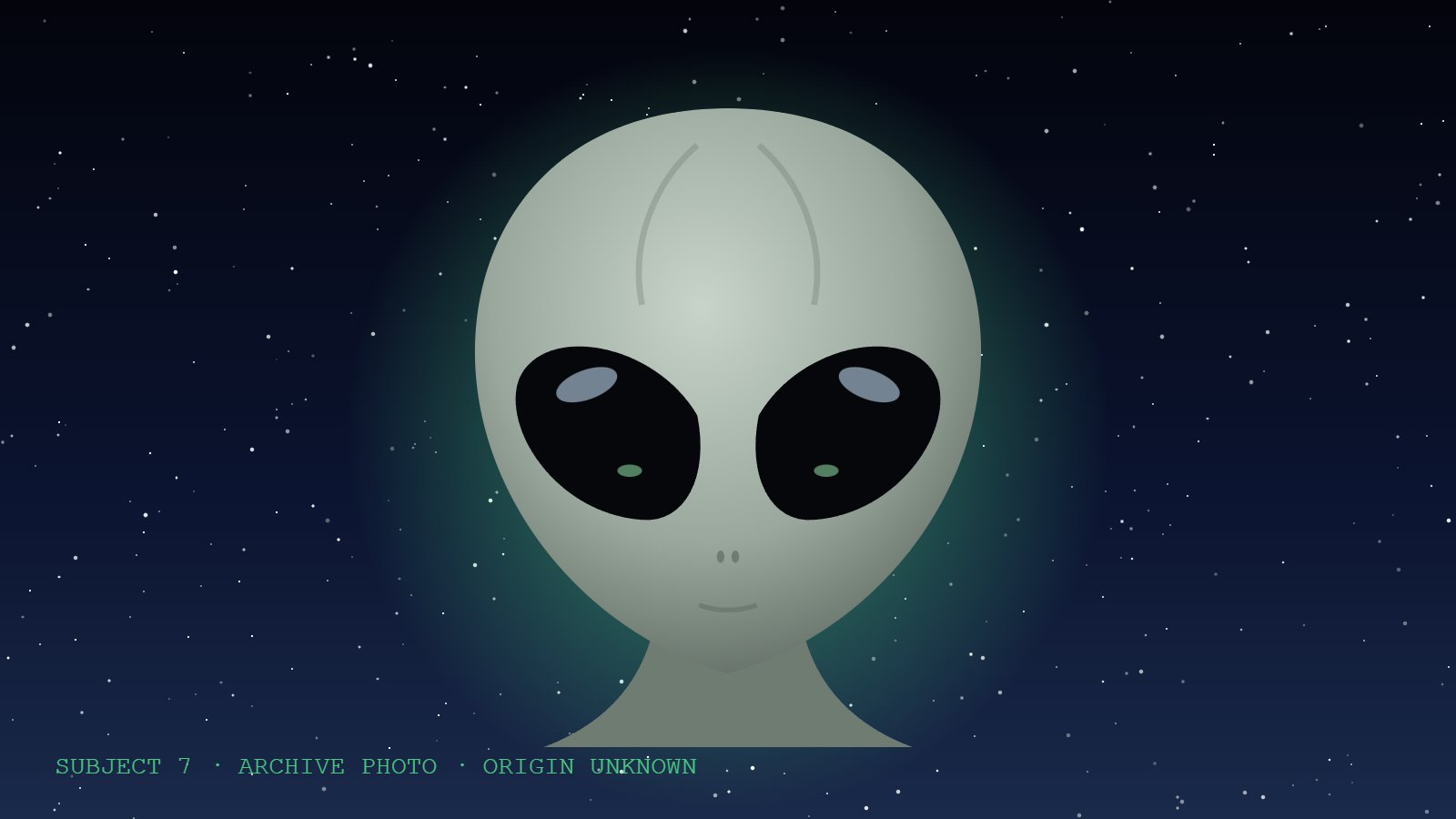
Start with the numbers, because the numbers are not secret. Our galaxy holds somewhere between 100 and 400 billion stars. Planet-hunting telescopes have shown that most of those stars have planets, and a meaningful share of sun-like stars have a rocky, roughly Earth-sized world in the zone where liquid water could exist.
Do the multiplication and you get billions of potentially habitable planets in the Milky Way alone. Then remember there are perhaps two trillion galaxies in the observable universe.
The equation that started it all
In 1961, astronomer Frank Drake wrote down a simple equation to estimate how many civilizations in our galaxy might be able to communicate with us. It multiplies the rate of star formation by the fraction of stars with planets, the fraction of those planets that could support life, the fraction where life actually appears, becomes intelligent, builds technology, and how long such a civilization lasts.
Nobody knows most of those values. But plug in even cautious guesses and the answer rarely comes out as one. It usually comes out as many.
So where is everybody?
That question is usually credited to physicist Enrico Fermi, who is said to have asked it over lunch at Los Alamos in 1950. If the galaxy should be full of life, and some of it had a head start of millions of years, why is there no sign of it? This is the Fermi paradox.
Mainstream science offers explanations:
- The Great Filter: something stops almost every civilization before it reaches the stars. It might be behind us, or ahead of us.
- Distance: the galaxy is huge, signals fade, and we have only been listening for a few decades.
- Rare Earth: complex life may need a long list of lucky accidents.
And then there is the explanation this site exists to ask about: what if they are not missing at all? What if the silence is not an absence, but a policy?
Absence of evidence is not evidence of absence, especially when someone controls the evidence.
We are not claiming to have the answer. We are claiming the question deserves better than a shrug. Keep reading, and tell us what you have seen.
Leave a Reply